TriPac service-port check
Caps, cores, hose rub points, oily fittings, and condenser edges are inspected before a low system is charged near Port NOLA and Mississippi River terminals.
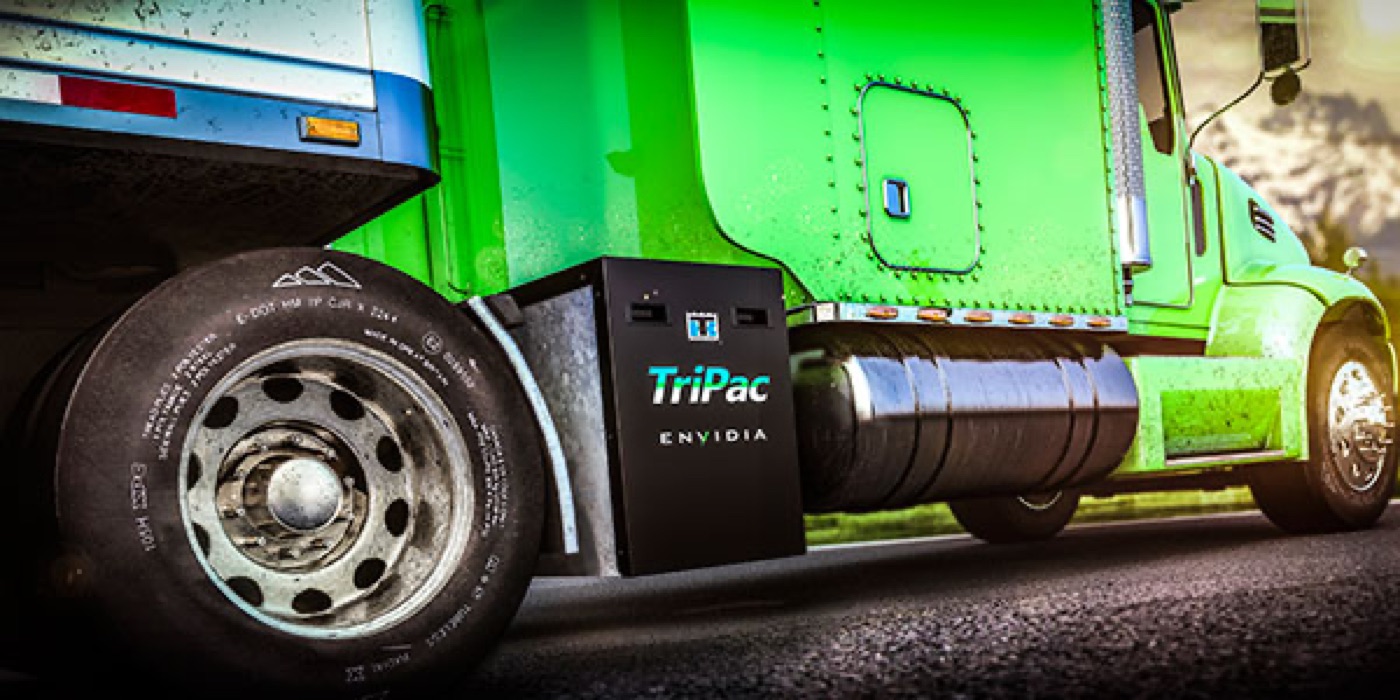
TriPac mobile A/C recharge in New Orleans
Thermo King APU freon recharge for New Orleans TriPac units that run but deliver warm sleeper air near Port NOLA and Mississippi River terminals and I-10 or I-610.
Local Thermo King Freon Recharge
Thermo King freon recharge focuses on the TriPac A/C circuit while still proving that the controller, fan, and compressor can support the new charge. For New Orleans calls, dispatch also confirms access around Port NOLA and river terminal approaches.
Caps, cores, hose rub points, oily fittings, and condenser edges are inspected before a low system is charged near Port NOLA and Mississippi River terminals.
The A/C circuit is evacuated and watched for stability so air and moisture are not left inside the TriPac system. Near Port NOLA and Mississippi River terminals, this is matched to I-610 parking and gate conditions.
Many TriPac cooling circuits use R-134a, but the data label is still checked before refrigerant is connected. That keeps the service path aligned with container freight, breakbulk, river cargo, refrigerated loads, and Gulf logistics around New Orleans.
High-side behavior is compared with condenser airflow, fan operation, restrictions, and possible overcharge before the call is closed. The result is checked before the truck returns to Port NOLA and river terminal approaches.
New Orleans LA local data
Freon service requires a safer parking position than a visual inspection. Dispatch may ask the driver to move away from active New Orleans gate or roadway traffic first.
I-10 and I-610 access notes
Port NOLA and Mississippi River terminals staging details
Elmwood and Harahan warehouse yards parking instructions
Thermo King label photos before the service truck is routed
Service process
Local Thermo King Freon Recharge dispatch in New Orleans LA uses the service type, APU brand, refrigerant label, and parking details to send the right mobile setup.
Coverage
These are the local routing signals dispatch asks for before sending a technician.
New Orleans, Elmwood, Westwego, St. Bernard, Chalmette, Metairie, Harvey, and Mississippi River freight lanes
I-10, I-610, US Route 90, Tchoupitoulas Street, Claiborne Avenue freight routes
Port NOLA and river terminal approaches; Elmwood and Harahan warehouse yards; Westwego and Harvey industrial stops; I-10 and US 90 staging
For New Orleans calls, dispatch should know whether the truck is near Port NOLA, Tchoupitoulas, Elmwood, Harvey, I-10, or US 90.
FAQ
Straight answers help avoid the wrong truck, wrong refrigerant, or wrong tool showing up.
Yes, when the truck can be parked safely and dispatch has the right refrigerant setup available. For New Orleans calls, dispatch also confirms access around Port NOLA and river terminal approaches.
That becomes a repair diagnosis because a control, wiring, voltage, or compressor fault may be blocking cooling. Near Port NOLA and Mississippi River terminals, this is matched to I-610 parking and gate conditions.
Yes, when the truck is off active traffic lanes and reachable by the mobile technician. That keeps the service path aligned with container freight, breakbulk, river cargo, refrigerated loads, and Gulf logistics around New Orleans.