Airflow and coil check
Blower strength, evaporator condition, condenser airflow, and fan operation are checked before refrigerant is added near Port of Seattle.
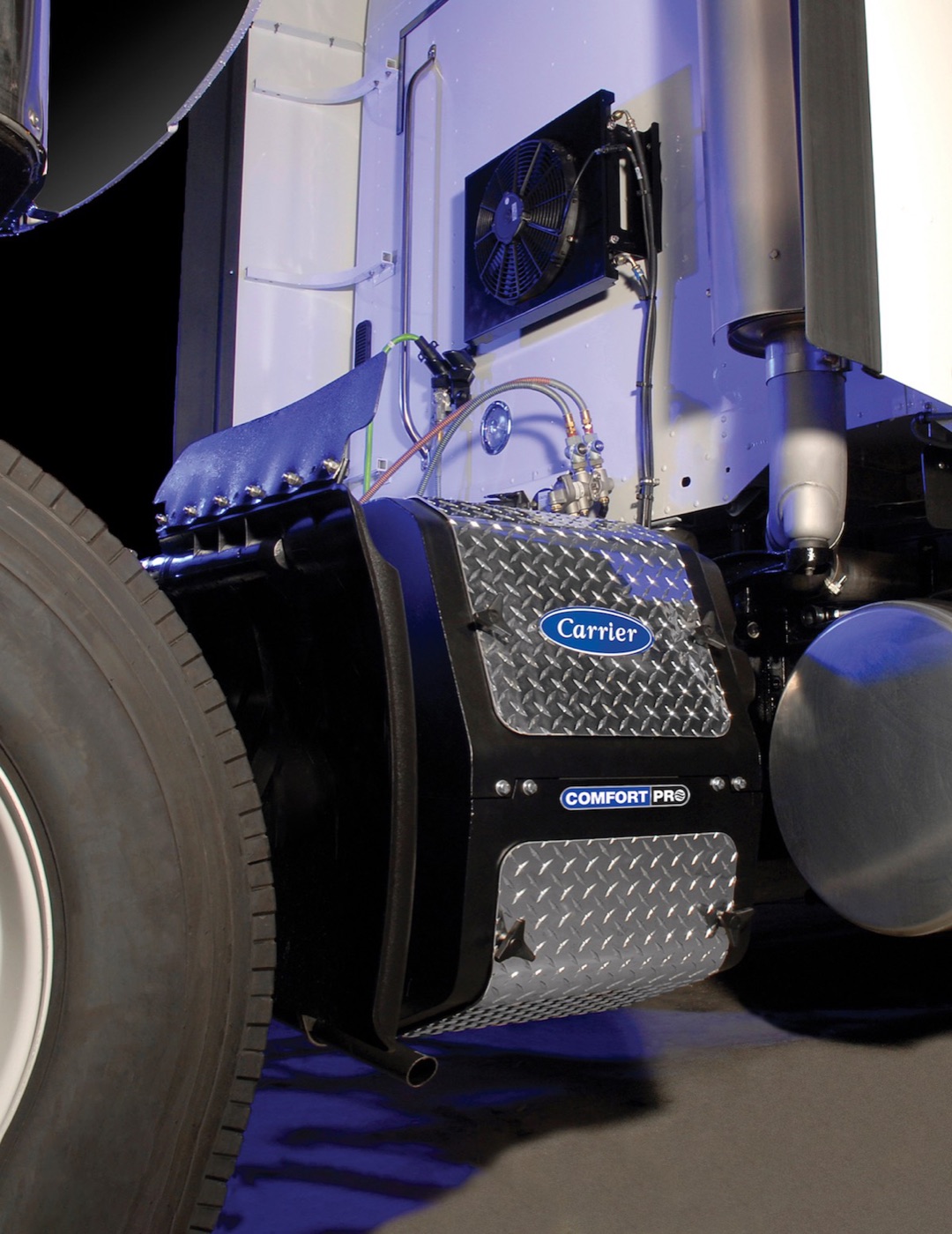
Mobile climate control service in Seattle
Fast APU recharge for Seattle drivers who need sleeper cooling restored around Port of Seattle, I-5, SR 99, West Seattle Bridge, and freight yards.
Local APU Recharge
A recharge call is treated as a complete climate-control check, because poor airflow, weak power, and low refrigerant can feel identical in the bunk. For Seattle calls, dispatch also confirms access around Harbor Island and Terminal 5 access.
Blower strength, evaporator condition, condenser airflow, and fan operation are checked before refrigerant is added near Port of Seattle.
The refrigerant label and unit data are used to choose the correct R-134a, R-404A, or application-specific charge path. Near Port of Seattle, this is matched to SR 99 parking and gate conditions.
Battery voltage, alternator behavior, and APU runtime are checked so cooling does not quit after the service truck leaves Seattle.
The technician checks cold-air delivery in the sleeper, not just gauge readings at the service ports. The result is checked before the truck returns to Harbor Island and Terminal 5 access.
Seattle WA local data
Seattle is a freight market for container freight, Alaska trade lanes, seafood cold-chain, airport cargo, and regional warehouses. Dispatch needs a clear parking plan before sending refrigerant equipment.
Port of Seattle access or staging-lot details
I-5 and SR 99 parking instructions
Harbor Island and Terminal 5 access with safe APU-side access
container freight, Alaska trade lanes, seafood cold-chain, airport cargo, and regional warehouses calls with model and refrigerant-label photos
Service process
Local APU Recharge dispatch in Seattle WA uses the service type, APU brand, refrigerant label, and parking details to send the right mobile setup.
Coverage
These are the local routing signals dispatch asks for before sending a technician.
Seattle, Harbor Island, SODO, Georgetown, Tukwila, SeaTac cargo lanes, and I-5 freight corridors
I-5, SR 99, West Seattle Bridge, Spokane Street Viaduct, I-90 connectors
Harbor Island and Terminal 5 access; SODO and Georgetown fleet yards; SeaTac cargo-area staging; Tukwila and Kent Valley warehouse routes
For Seattle calls, dispatch should know whether the truck is near Harbor Island, SODO, Georgetown, SeaTac cargo, I-5, or SR 99 before routing service.
FAQ
Straight answers help avoid the wrong truck, wrong refrigerant, or wrong tool showing up.
Timing depends on technician location, traffic, access, and current calls. Calling 800-554-0539 is fastest. For Seattle calls, dispatch also confirms access around Harbor Island and Terminal 5 access.
Yes, when the truck is safely parked and service access is available. Near Port of Seattle, this is matched to SR 99 parking and gate conditions.
The technician can document the leak path and explain the repair needed before more refrigerant is wasted. That keeps the service path aligned with container freight, Alaska trade lanes, seafood cold-chain, airport cargo, and regional warehouses around Seattle.