Carrier control response
Thermostat request, controller state, relay output, and shutdown behavior are checked before the A/C circuit is opened. For Seattle calls, dispatch also confirms access around Harbor Island and Terminal 5 access.
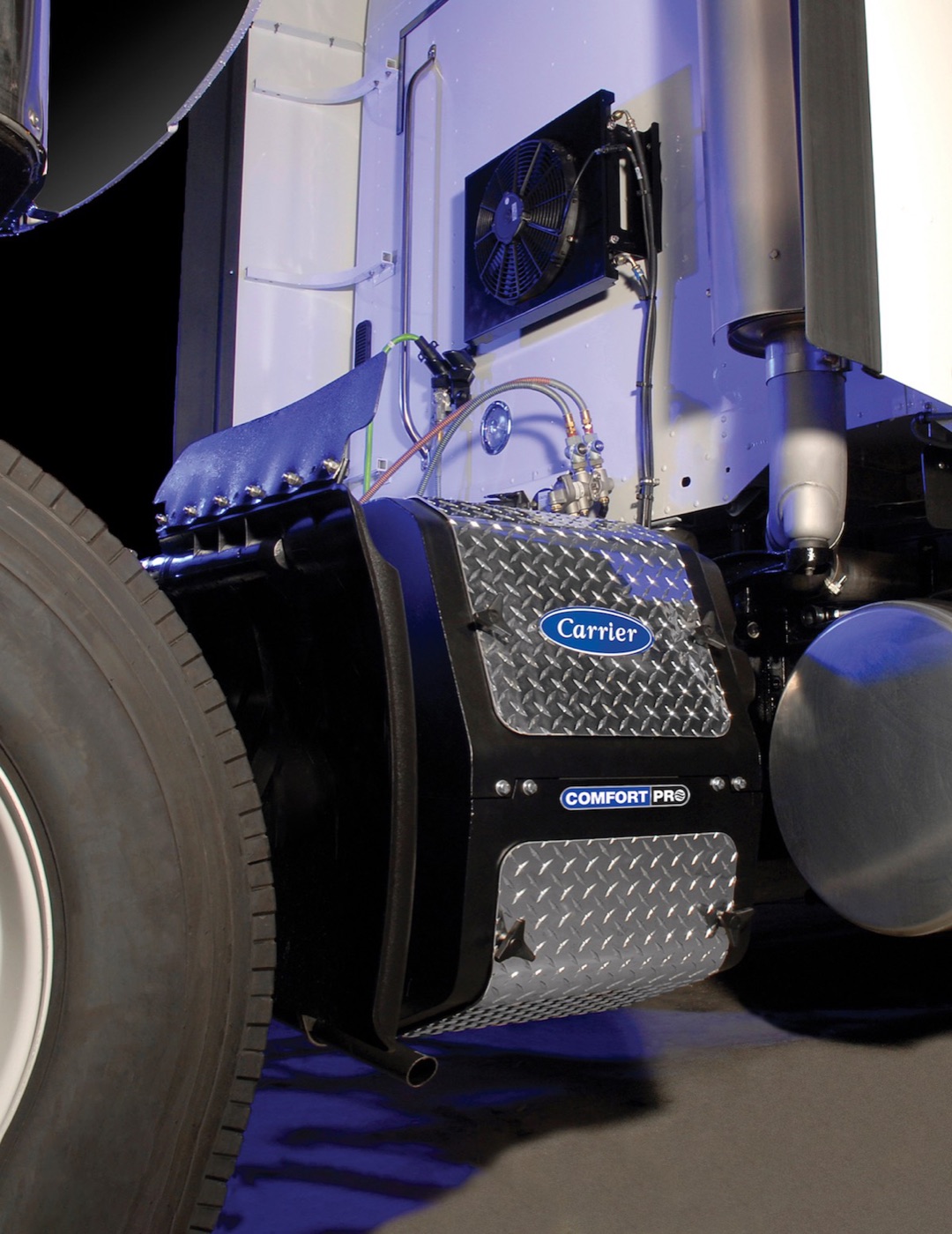
ComfortPro and Aspen diagnostics in Seattle
Carrier APU repair for Seattle ComfortPro and Aspen units near Port of Seattle, I-5, SR 99, West Seattle Bridge, and warehouse yards.
Local Carrier Repair
Carrier repair around Seattle starts with control, power, airflow, and refrigeration checks so the technician does not mistake a support fault for low charge.
Thermostat request, controller state, relay output, and shutdown behavior are checked before the A/C circuit is opened. For Seattle calls, dispatch also confirms access around Harbor Island and Terminal 5 access.
Deep-cycle battery condition, voltage drop, alternator support, fuses, and grounds are checked when the unit struggles under sleeper load. Near Port of Seattle, this is matched to SR 99 parking and gate conditions.
Blower output, coil condition, condenser fan speed, and blocked air paths are checked around Seattle yard and port environments.
Compressor command, clutch behavior, line temperature, and pressure response are separated from wiring and airflow problems. The result is checked before the truck returns to Harbor Island and Terminal 5 access.
Seattle WA local data
Carrier repair calls near Seattle freight corridors need model details and a safe work position before the technician is assigned.
ComfortPro calls near Harbor Island and Terminal 5 access
Aspen APU service around SODO and Georgetown fleet yards
I-5 and SR 99 parking instructions
Photos of the Carrier data plate, control panel, and refrigerant label
Service process
Local Carrier Repair dispatch in Seattle WA uses the service type, APU brand, refrigerant label, and parking details to send the right mobile setup.
Coverage
These are the local routing signals dispatch asks for before sending a technician.
Seattle, Harbor Island, SODO, Georgetown, Tukwila, SeaTac cargo lanes, and I-5 freight corridors
I-5, SR 99, West Seattle Bridge, Spokane Street Viaduct, I-90 connectors
Harbor Island and Terminal 5 access; SODO and Georgetown fleet yards; SeaTac cargo-area staging; Tukwila and Kent Valley warehouse routes
For Seattle calls, dispatch should know whether the truck is near Harbor Island, SODO, Georgetown, SeaTac cargo, I-5, or SR 99 before routing service.
FAQ
Straight answers help avoid the wrong truck, wrong refrigerant, or wrong tool showing up.
Yes, when dispatch coverage is available and the truck is accessible for mobile service. For Seattle calls, dispatch also confirms access around Harbor Island and Terminal 5 access.
Yes. Aspen APU cooling and electrical issues can be routed when parking and property access are workable. Near Port of Seattle, this is matched to SR 99 parking and gate conditions.
Send the exact location, Carrier model, refrigerant label, symptoms, and whether a prior recharge failed. That keeps the service path aligned with container freight, Alaska trade lanes, seafood cold-chain, airport cargo, and regional warehouses around Seattle.